Map network access relationships across IP, IP pairs, IP groups, ports, and application-layer protocols.
AnaTraf performs deep multi-dimensional analysis of high-volume network data to comprehensively and accurately map network access relationships — enabling network security situational awareness, risk discovery, and behavior analysis.
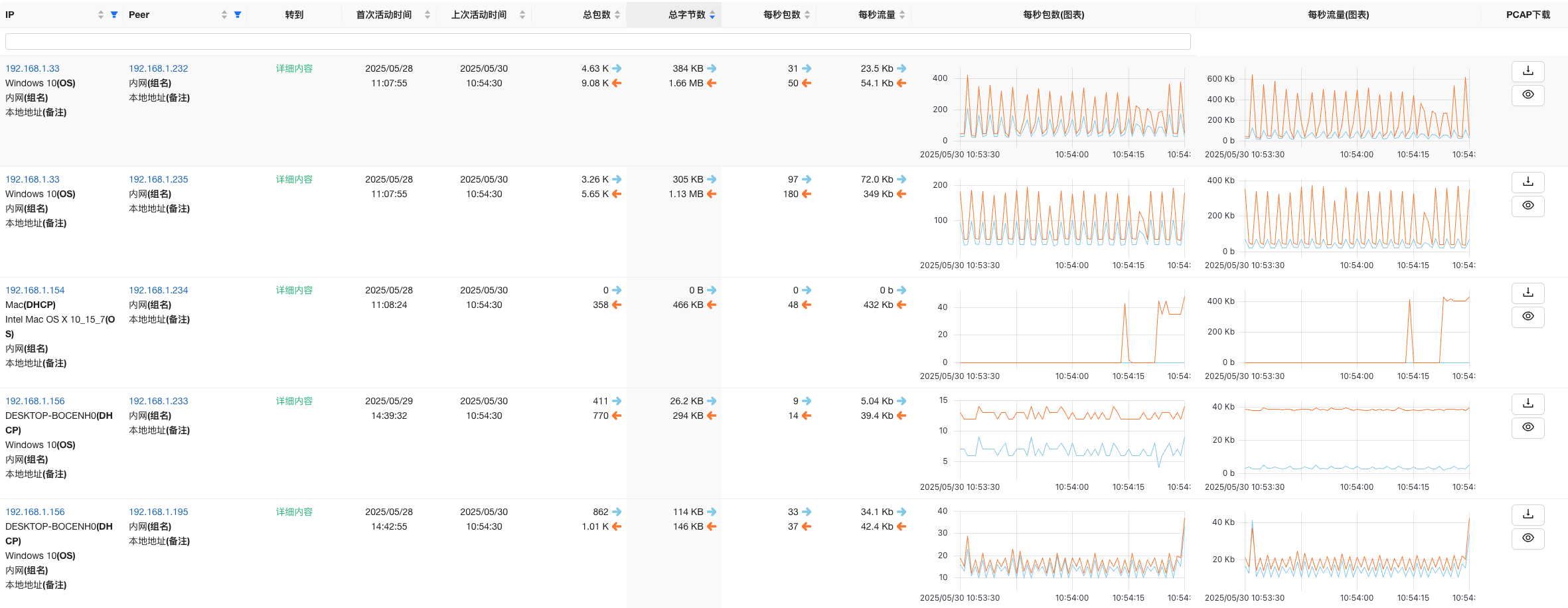
IP pair analysis — clear view of source-target communication
Source IP mapping: Given a source IP, AnaTraf lists every destination IP it talks to. Internet addresses can be filtered out to focus on the in-network audiences served by that node.
Destination IP mapping: Given a destination IP, AnaTraf lists every source IP that talks to it, helping you identify who is using that network service.
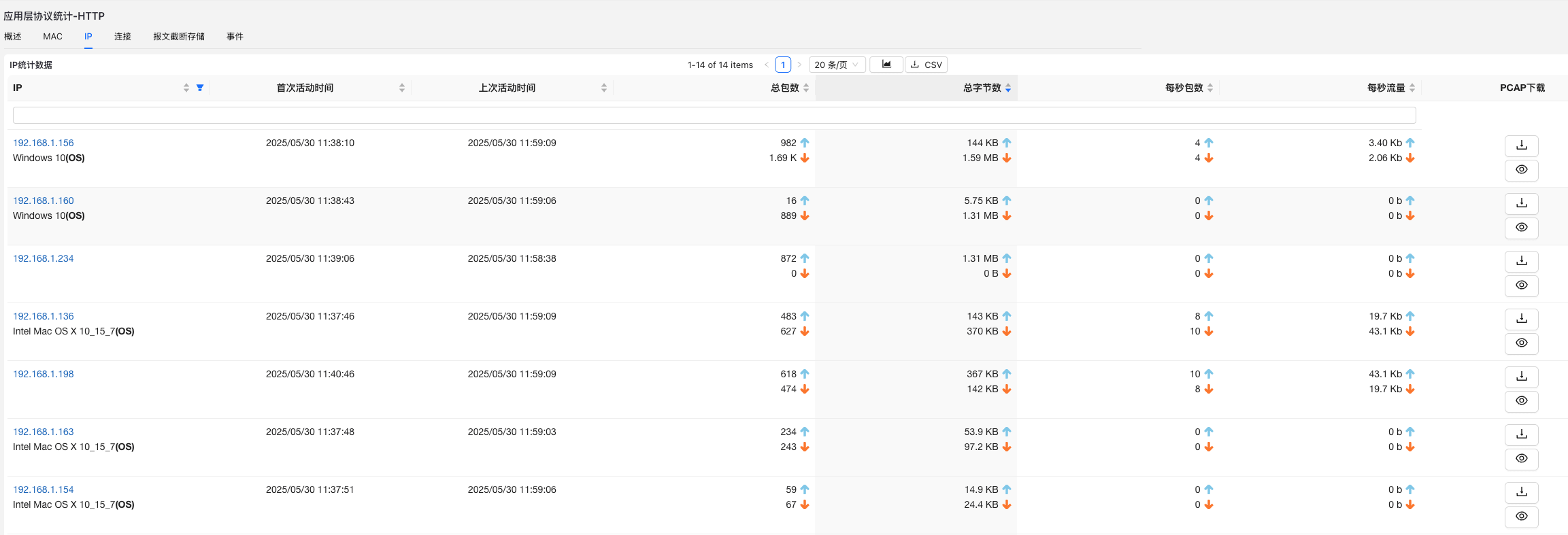
Multi-dimensional IP analysis view
Group multiple IP addresses into IP groups (subnets) and analyze traffic between groups. This is especially useful for large enterprise networks — group by department, business system, or security zone for targeted analysis.
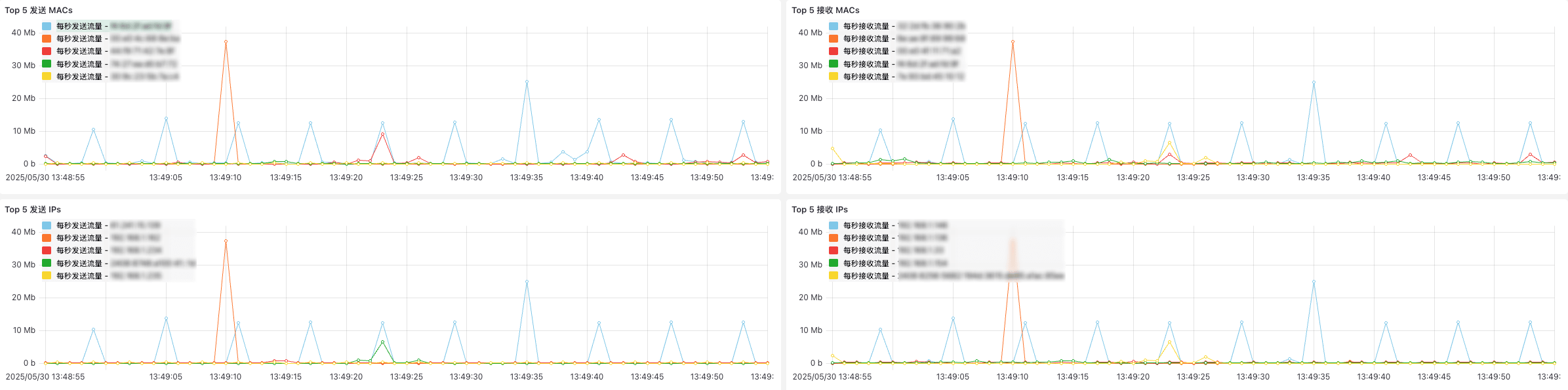
IP group traffic analysis
Identify the service ports offered by every host on the network, with traffic statistics for each port and the clients that access them.
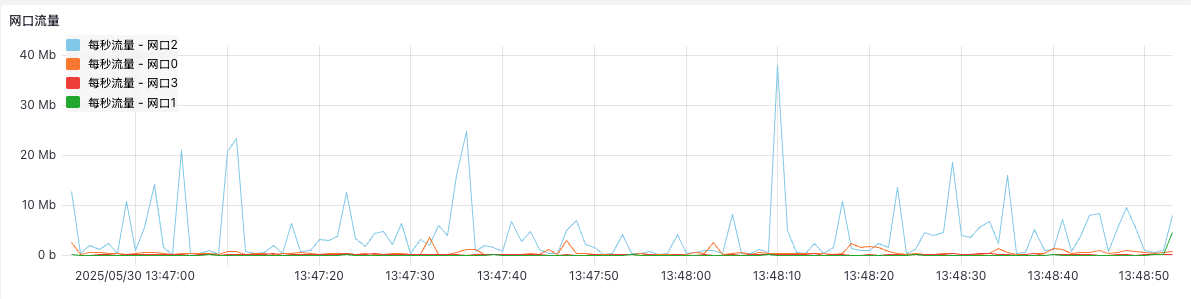
Port traffic distribution
An integrated IP geolocation database maps each IP to a specific country, region, and city, with traffic statistics by location. Useful for analyzing cross-border traffic and spotting abnormal geo access.
Traffic distribution by geolocation
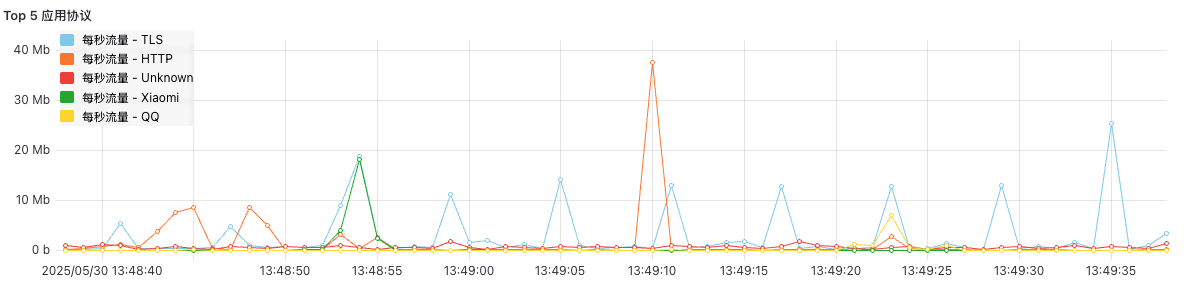
Identify and classify a wide range of application-layer protocols — HTTP, HTTPS, FTP, DNS, SMTP, SSH, and others — to help you understand protocol usage frequency, traffic distribution, and IP-level access relationships.
Application-layer protocol identification & classification

Scan to join our WeChat group
